I remember the first time I introduced a clicker to a dog who had never responded to treat-based cues. The dog, a wary three-year-old shepherd mix, flinched at the metal sound at first. Twenty minutes later she sat Dog Training Virginia Beach Coastal K9 Academy on a street curb in Virginia Beach and looked up at me as if she'd discovered a secret. The click had become a clear punctuation mark for good behavior, and the neighborhood passerby asked, "Where did you learn that?" The answer was simple: consistent reinforcement, patient shaping, and a few local streetside training sessions that respected the rhythms of life here on the coast.
Clicker training is not a magic wand, but it is a tool that, when used correctly, clarifies communication between human and dog faster than most other methods. For dog owners searching for dog training in Virginia Beach VA or typing trusted dog trainer near me into a search bar, understanding the principles of clicker training will help you choose a coach and build a reliable partnership with your dog.
Why clicker training works for real dogs and busy owners The clicker gives an immediate, crisp marker that tells the dog exactly which action earned the reward. Verbal praise often lags or varies in tone. A click is brief and consistent. In practice, this precision speeds learning because the dog links the exact behavior to the outcome with less confusion. That clarity is especially valuable in noisy, distracting environments like the boardwalk, parks, and busy neighborhoods of Virginia Beach.
Clicker training also leans on two well-established behavioral principles: positive reinforcement and shaping. Positive reinforcement increases behaviors by adding something the dog values, usually food or play. Shaping breaks a complex behavior into tiny, achievable steps. When those steps are marked and rewarded, dogs make steady progress without force or stress.
Basic equipment and setup that actually matters You need a small, reliable clicker, a pouch for treats, and high-value rewards. On the beach or at the park I carry diced hot dog in a zip-top bag, not kibble. Reserve those high-value treats for training so they retain potency. A flat collar or front-clip harness works well for most dogs during clicker sessions. Long lines of 10 to 30 feet let you shape distance behaviors safely without losing contact.
Set clear sessions: three to five minutes for puppies, up to 15 minutes for adult dogs, two to four times per day. Short, frequent sessions beat one long, fatiguing session. At home, plan for lower-distraction training and reserve the high-distraction areas, like First Landing State Park trails, for later proofing.
How to introduce the clicker, step by step Here is a concise five-step process that produces reliable marking behavior when followed consistently.
Charge the clicker by clicking and immediately rewarding, repeated 10 to 20 times until the dog looks for the treat on hearing the click. Capture a simple behavior like sitting by waiting for the dog to offer it, clicking the instant the rear hits the ground, then delivering a treat. Repeat the capture with slight variations until the dog offers the behavior reliably on its own, then add a verbal cue before the behavior is offered. Move the verbal cue earlier, fading the click to a marker for the exact moment and using the treat to reinforce the cue-plus-action sequence. Generalize by practicing in different locations, with varied distractions, and gradually increasing the duration and distance required before clicking.Those steps mirror what I teach in private sessions and group classes. They let you Coastal K9 Academy behavior modification dog training harness momentum. Small wins build confidence, and dogs who are confident behave better in unfamiliar settings.
Why timing and consistency beat clever tricks The most common errors I see are poor timing and inconsistent reinforcement. If you click too late, the dog connects the reward to the wrong action. If you reward only sometimes, the dog becomes uncertain and offers behaviors less often. I tell clients to treat the clicker like a camera shutter: click the instant the desired behavior occurs. Then feed. If you find your timing is off, slow the exercise down. Return to charging the clicker and recapture simple behaviors until you regain precision.
A quick anecdote about a stubborn case: a lab named Finn refused to hold eye contact during walks. We worked with two-minute sessions inside, capturing a glance and clicking the millisecond the eyes met mine. After a week of that micro-training, walks shifted. Finn began checking in voluntarily. The neighbors noticed he was easier on leash. The change was not dramatic overnight, but the accumulated precision made the leash relationship calmer and more predictable.
Common problems and how to fix them Some dogs become click-happy, offering behaviors nonstop. That usually means the reinforcement schedule is too dense or the criteria are too loose. Raise the bar slightly. Click only when the behavior meets your updated standard. Other dogs ignore the click because the reward value is low. Upgrade the treat or add play. Dogs learn through contrast; a click that results in a bland kibble will not motivate the same way high-value food or a quick game does.
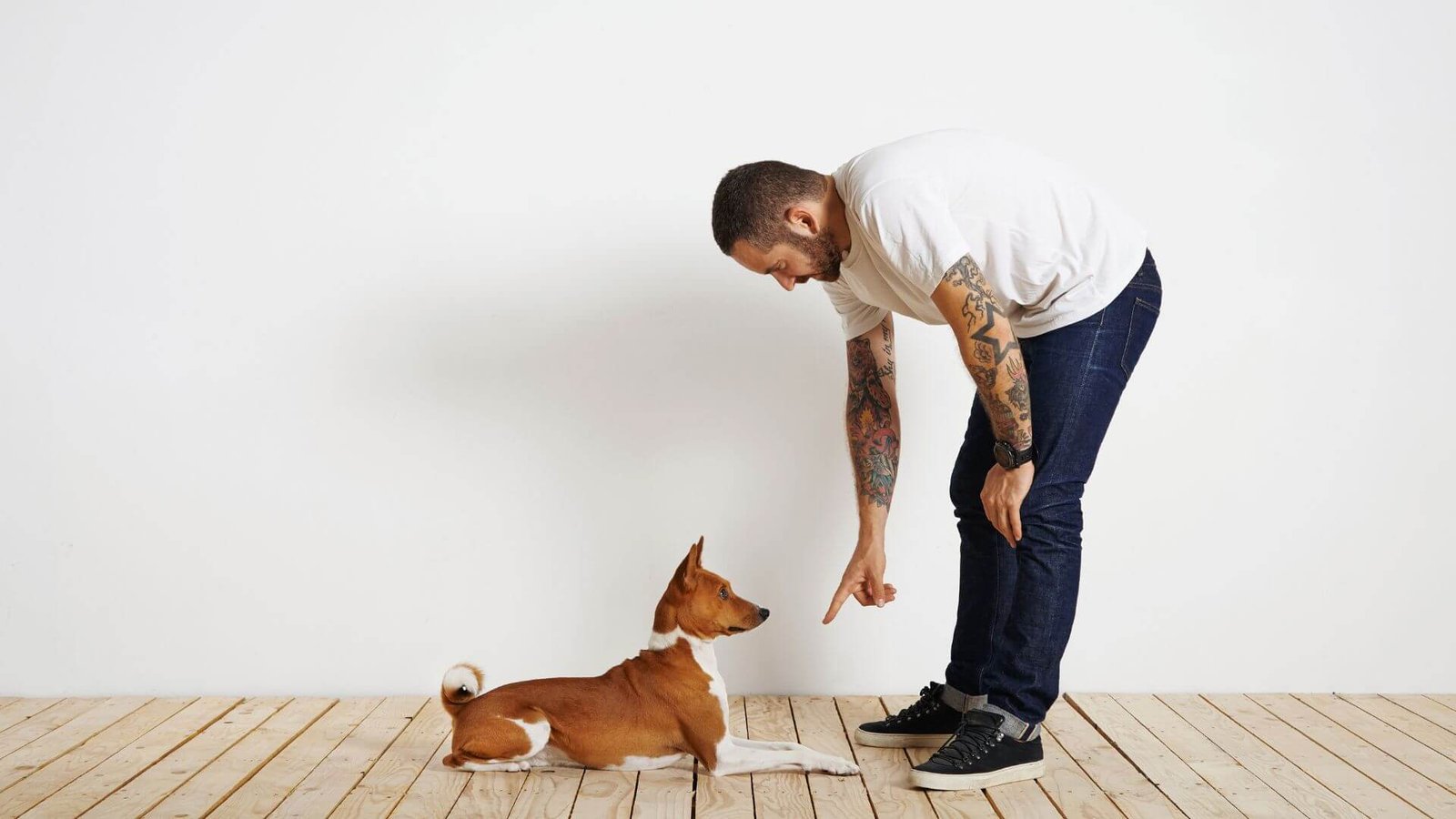
Fearful dogs might flinch at the click itself. If that happens, swap a softer marker like a tongue-click, a whistle, or a brief hand signal while desensitizing the dog to the click sound at a distance, then gradually bringing it closer while pairing it with food. Patience matters. For a rescue who had been through multiple homes, I once spent a week just charging the clicker at a distance before we ever asked for a sit.
Leash training for dog owners who want calm walks Leash training and clicker work pair naturally. First, teach the dog that checking back or sitting near you earns a click. During loose-leash training, click and treat when the slack appears. Use progressive steps: click for one second of slack, then two, then four. Reward intermittently as the behavior stabilizes. Use a long line for distance and safety while building the behavior in low-distraction areas. Once the dog understands the cue, move to busier locations and increase the reinforcement schedule.
Practical numbers matter. Expect measurable progress in three to six weeks with consistent daily practice. For mild pulling, most dogs show noticeable improvement within two weeks of daily short sessions. For ingrained pulling, such as a 60-pound dog trained to lunge at squirrels, plan for eight to 12 weeks with focused work and possibly professional guidance.
When to seek professional help and how to choose a trainer If the dog shows aggression, severe fear, or if progress stalls despite consistent effort, hire a professional. Look for trainers who explain their methods clearly and who are willing to demonstrate sessions. Avoid anyone who advocates physical corrections or ambiguity in reinforcement. Use search terms like dog training near me and trusted dog trainer near me, then ask specific questions. Good questions include: What methods do you use? Can I observe a session? How do you measure progress? How many sessions do you expect before we see change? Expect a trainer to outline a clear plan with milestones and homework.
If you live in Virginia Beach and want a local resource, Coastal K9 Academy often appears in community conversations for balanced, reward-based programs that include clicker work. Visit facilities, observe, and ask for references. Reputable trainers will welcome your questions.
Group classes versus private sessions, trade-offs to weigh Group classes are cost-effective and provide built-in distractions for proofing behaviors. They are excellent for socialization and for owners who need structure and peer encouragement. Private sessions offer individualized troubleshooting, targeted shaping, and fast problem solving, especially for reactive or fearful dogs.
Choose group sessions for general obedience and early social skills. Choose private sessions if your dog displays leash reactivity, severe fear, or specific behavioral challenges. Combining both often yields the best results: private lessons to establish the behavior, followed by group classes to solidify it under distraction.
Proofing behaviors in real-world Virginia Beach settings Training in a quiet room means little on the boardwalk, near ocean noise, or around summer festivals. Proofing is the process of practicing a behavior in increasingly challenging settings. Plan proofing steps: home, quiet yard, neighborhood sidewalk, small park, busy park, boardwalk. Each step should ensure at least 80 percent success before moving on. If a dog succeeds only 50 percent on a given level, return to the previous level and practice longer. Proofing builds reliability and reduces the surprises that make owners think training has failed.
A typical proofing timeline might look like this: two weeks at home for initial shaping, another two weeks in the yard and quiet sidewalk for stability, and four to six weeks of incremental exposure to busier environments. Variation in the timeline is normal. Puppies and adult dogs often progress at different rates.
Specific exercises that translate to everyday life Teaching a reliable recall with a clicker is one of the most valuable skills for coastal living. Start with short distances and high-value treats in the yard. Click and treat the instant the dog reaches you. Gradually increase distance and distractions. Use a long line until recall is consistent off-leash. Rewarding the return with enthusiastic praise plus a treat beats punitive responses and strengthens the bond.
Another useful exercise is "touch." Teach the dog to touch your open palm with their nose, click and reward. Touch is an excellent redirect for reactive dogs and a building block for more complex tasks. It can reorient a dog in a doorway, help them focus during vet visits, or act as a calm cue before challenging situations.
Measuring progress: what success looks like Success is not a single day. It is a pattern. A dog that once lunged and now walks with reasonable slack for most of a 20-minute walk is successful. A puppy who learns to sit for meals and waits at doorways shows success. Keep a simple journal: date, exercise, duration, the dog's response, and next steps. Small, objective notes let you see trends. If two weeks pass without measurable improvement, change your approach or consult a professional.
Costs, expectations and common timelines Private sessions in Virginia Beach typically range depending on trainer experience, from modest hourly rates to higher fees for specialized behaviorists. Group classes provide lower cost per session and peer learning benefits. Expect an initial investment of several sessions for basic behaviors, and plan for ongoing reinforcement. Training is an ongoing relationship, not a one-and-done product. A committed owner who practices 10 to 20 minutes daily will save time and money in the long run compared with sporadic training.
A closing persuasion: why clicker training will change your daily life with your dog Clicker training gives you a vocabulary for rewarding behavior precisely. It builds a partnership where the dog understands the expectations and feels rewarded for meeting them. The result is fewer conflicts, calmer walks, and a dog who checks in voluntarily. For those searching dog training in Virginia Beach VA or exploring dog training near me options, focusing on positive, marker-based methods will yield sustainable results and maintain the dog's emotional well-being.
If you are serious about improving leash manners, recall, or reducing reactive behavior, start with the five-step clicker process, schedule consistent short sessions, and consider combining private lessons and group classes for proofing. Observe a local trainer in action and ask them about reward hierarchies and proofing strategies. The right trainer will outline a plan with clear milestones and practical homework you can complete between sessions.
Ultimately, training is about communication. The clicker brings that communication into sharp focus. Invest the time, choose a trainer who values clarity and kindness, and you will find the work pays off every time your dog looks back at you during a walk, sits calmly at a cafe table, or returns joyfully when called. Coastal K9 Academy and other local options can help if you prefer in-person guidance, but the core work—consistent, precise marking and meaningful rewards—begins with you and a small plastic clicker in your pocket.
Coastal K9 Academy
2608 Horse Pasture Rd, Virginia Beach, VA 23453
+1 (757) 831-3625
[email protected]
Website: https://www.coastalk9nc.com